by Team LEISA India | Dec 9, 2015 | Articles
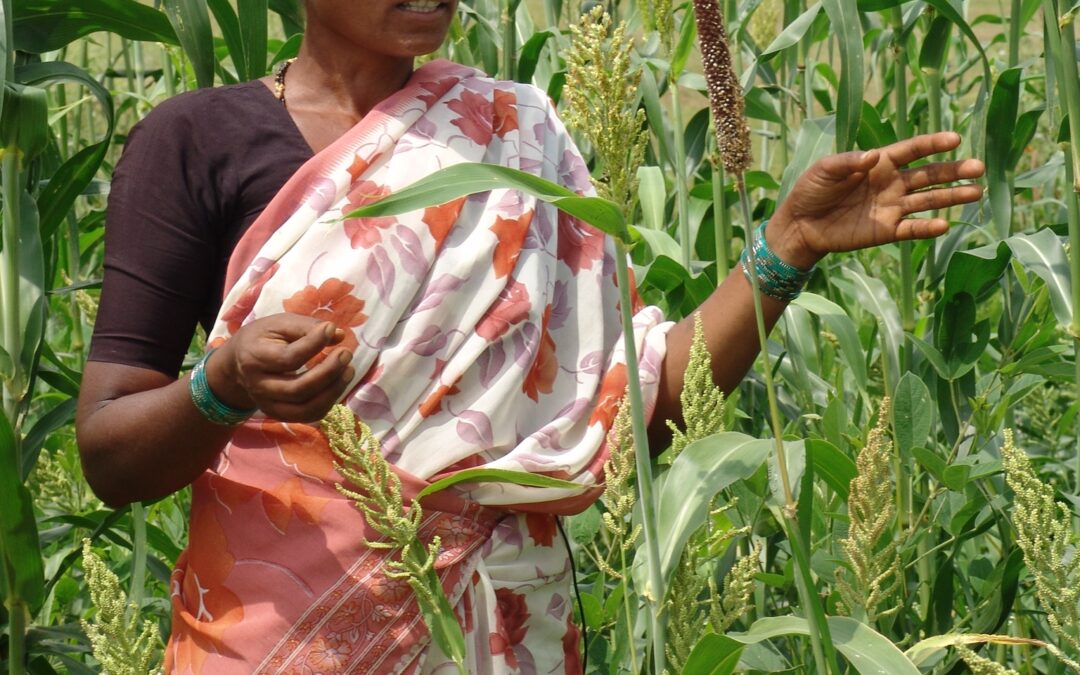
The local village communities in Zaheerabad have been able to reclaim their fallowed lands and cultivate a myriad varieties of traditional landraces of food grains. They have not only been able to control their food systems that are ecosystemically evolved over... by Team LEISA India | Dec 9, 2015 | Articles
Rice is the staple food for Asians, 70% quantity of our daily food is rice, which is the main source of energy. We consume highly polished – small -sparkling – silky-glossy white rice which contains only carbohydrates. The bran containing all the other nutrients goes... 
by Team LEISA India | Dec 9, 2015 | Articles
There was a time when what we ate was really what the forest, mountain or sea had to offer, and which would differ from week to week and from season to season. Eating was as diverse as the environments that people found themselves living in. It is important to... 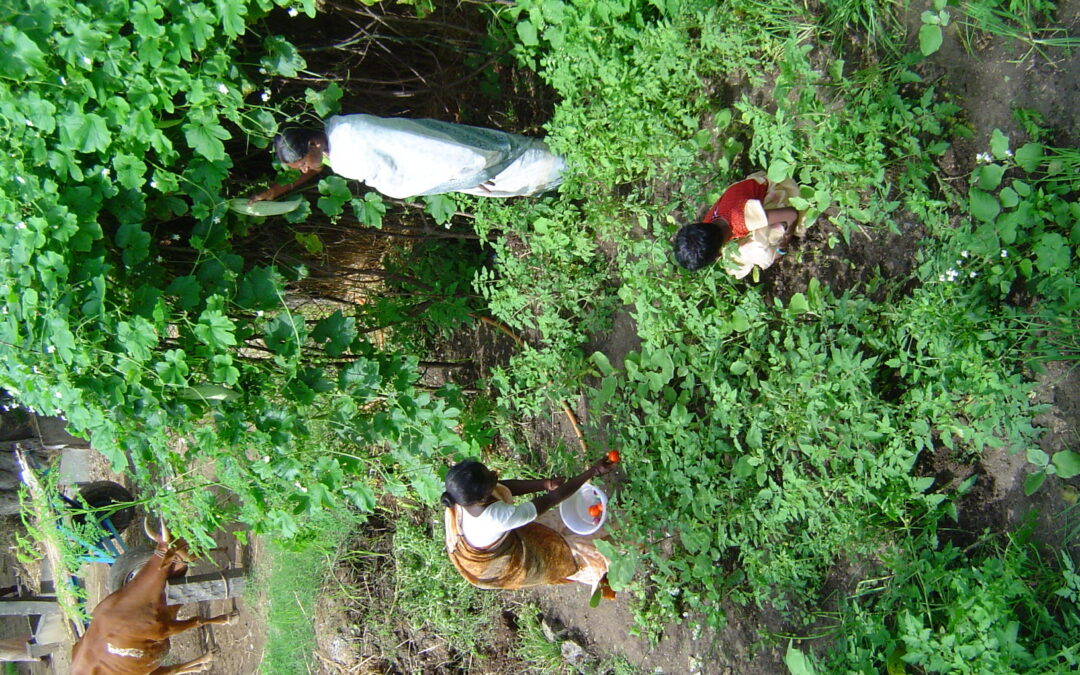
by Team LEISA India | Dec 9, 2015 | Articles
Improving nutritional status, including micronutrient status, can lead to increased productivity, increased child survival and growth and reduced maternal morbidity and mortality. Home gardening activities are centered on women and it can also increase the income of... 
by Team LEISA India | Dec 9, 2015 | Articles
From a situation of widespread undernutrition, consuming fresh vegetables all year round has now become a reality for many Nepali households thanks to their expanding home gardens. But the stories they tell show that the benefits are not limited to improving household... 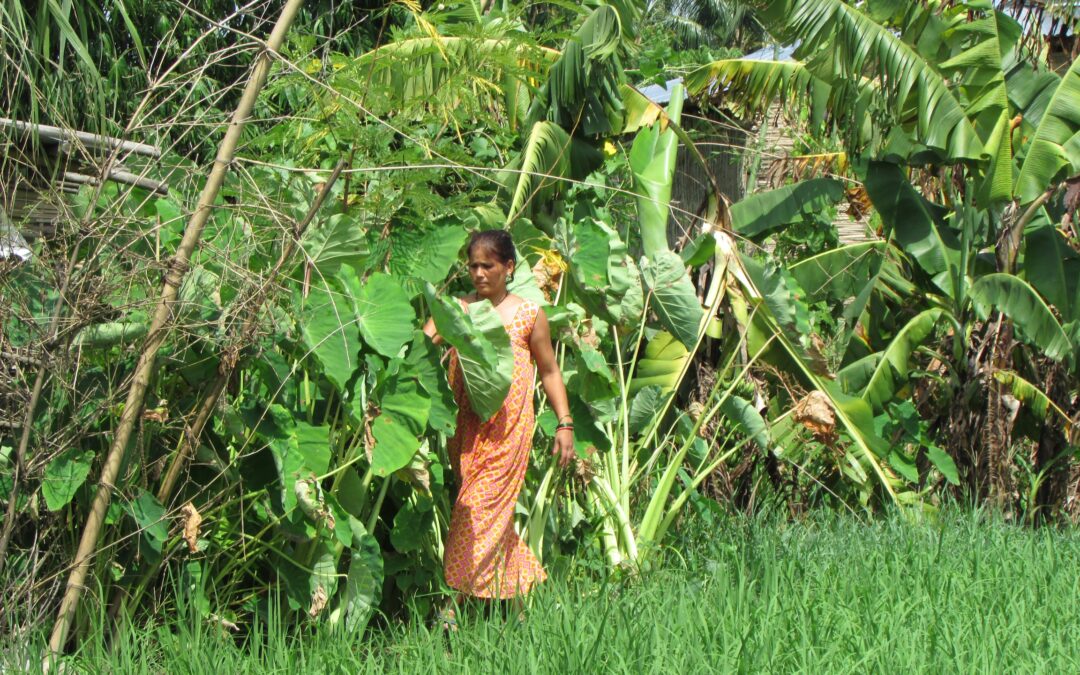
by Team LEISA India | Dec 9, 2015 | Articles
Farmers in Nepal are getting the most out of their farms, both in nutrition as well as in economic terms, by integrating a variety of crops on the farm. Laxmi Acharya’s farm is often mistaken for a mini botanical garden. This is no surprise given the diversity of...