by Team LEISA India | Dec 15, 2015 | Agroecology, Articles, Biodiversity
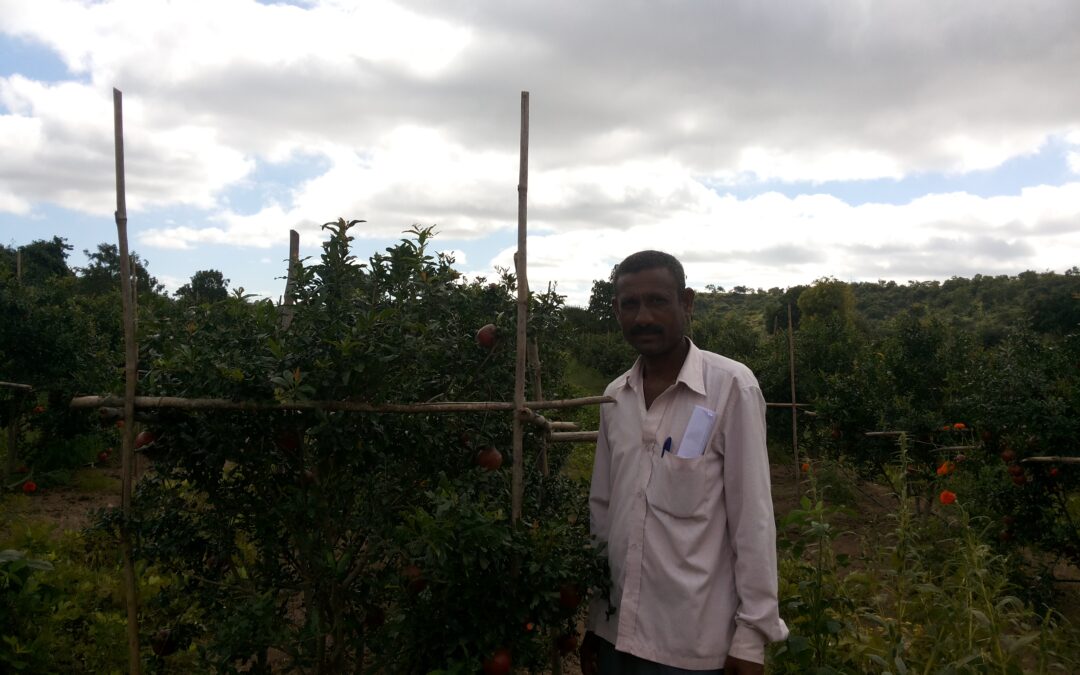
While famers everywhere are struggling to cope with the changing agro-climatic conditions, a few farmers in Kumbharwadi village in Maharashtra are adapting to the situation by diversifying their cropping systems. The diversified cropping systems have not only... 
by Team LEISA India | Dec 15, 2015 | Agroecology, Articles, Biodiversity
Seed which was a ‘community resource’, carefully bred, conserved and evolved over thousands of years, has transformed into a ‘commercial proprietary resource’. Farmer led conservation and development of improved varieties gives hope for not only nurturing agro... 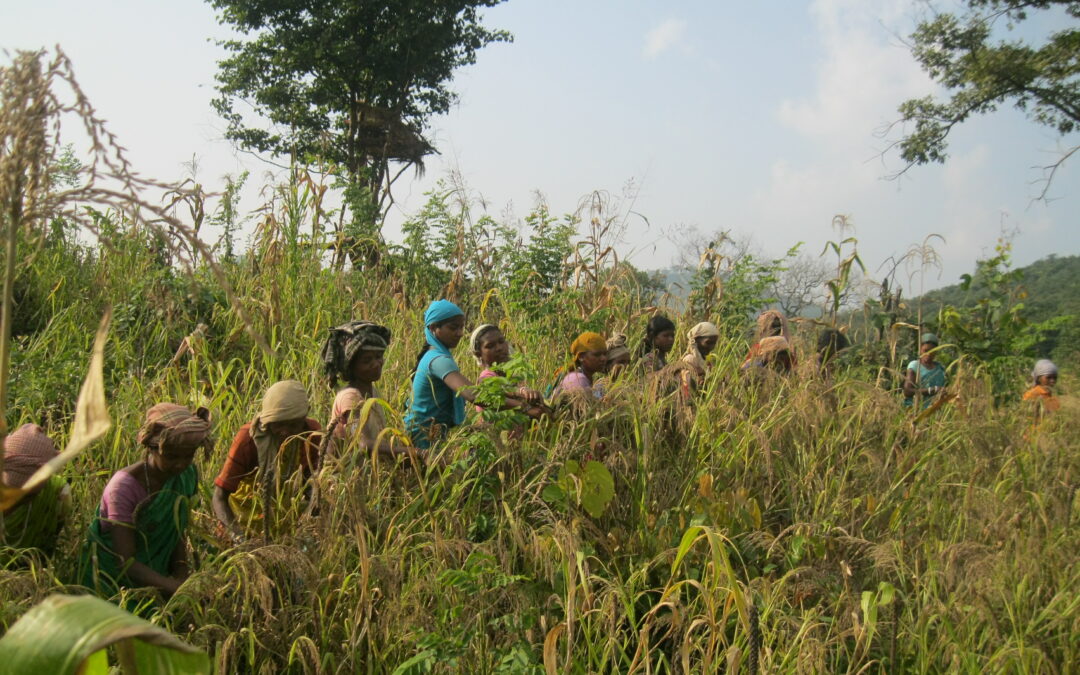
by Team LEISA India | Dec 15, 2015 | Agroecology, Articles, Biodiversity
Millets are highly nutritious food crops which are hardy and are resilient to climate changes. Ironically over years, the area under these crops is declining owing to undue focus on monocropping systems and high input agriculture. Tribal communities in Kandhamal have... 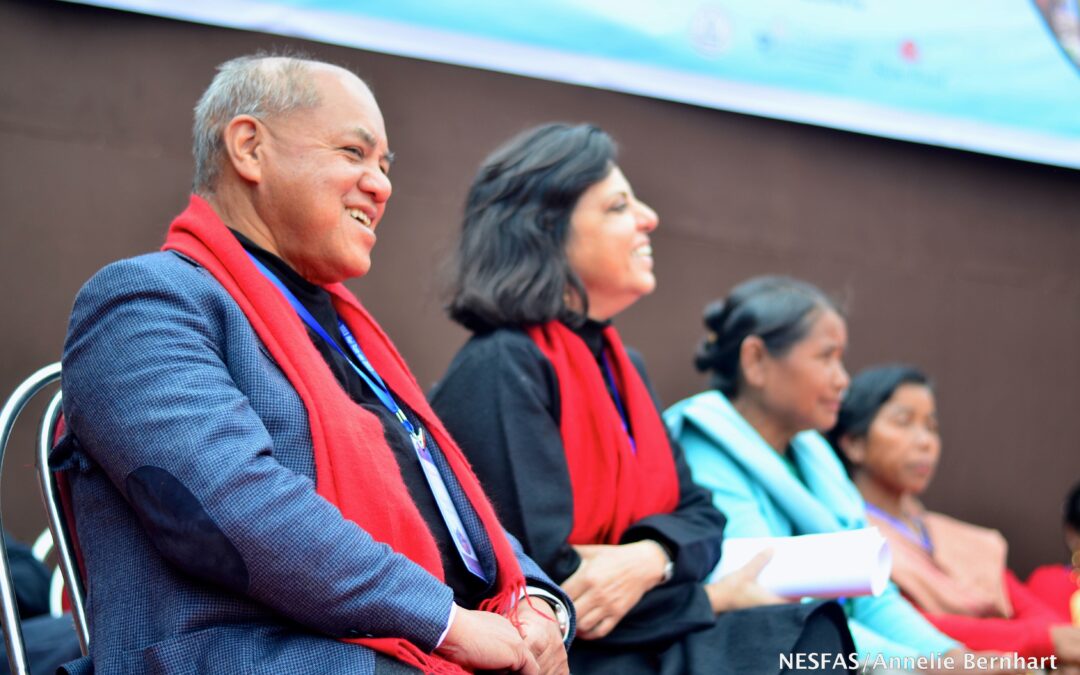
by Team LEISA India | Dec 15, 2015 | Agroecology, Articles, Biodiversity
“When you look at the map of global agrobiodiversity hotspots you realise that they are identical with indigenous people’s habitats. These 370 million people in the world have been agrobiodiversity custodians for millennia,” says Phrang Roy, co-ordinator of the... 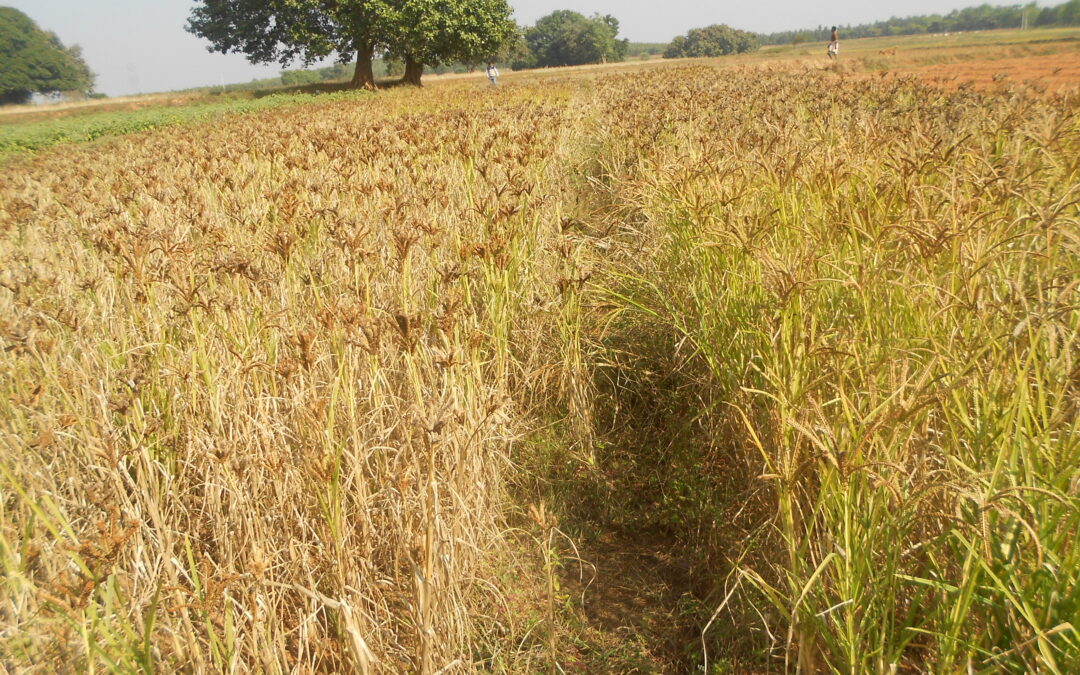
by Team LEISA India | Dec 15, 2015 | Agroecology, Articles, Biodiversity
There is a declining trend in the species diversity among small millets. While varietal improvement research conducted by the government hardly reaches those who need them, efforts made by NGOs are sporadic and on a very small scale. There is not only a need to bring... 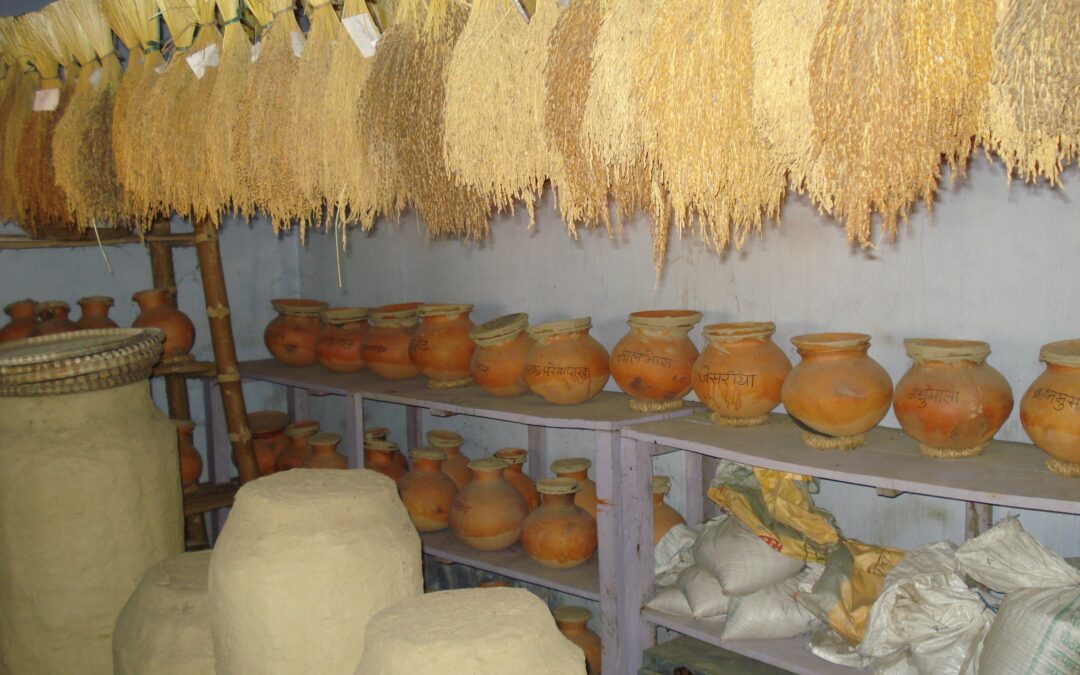
by Team LEISA India | Dec 15, 2015 | Agroecology, Articles, Biodiversity
To help farmers conserve and use genetic resources on their farms, LIBIRD is working with farmers in Nepal through the community based biodiversity management approach. Today, more than 11000 farming households in Nepal are engaged in revival and conservation of local...