by Team LEISA India | Feb 29, 2016 | Agroecology, Articles, Biodiversity
India has the second largest net work of roads in the world with 3.5 million kilometers. Of the 3.5 million kilometers of roads, just 2% i.e. 50, 000 kilometers are national highways. The rest of the roads are either unpaved roads or mostly badly managed ones. To... 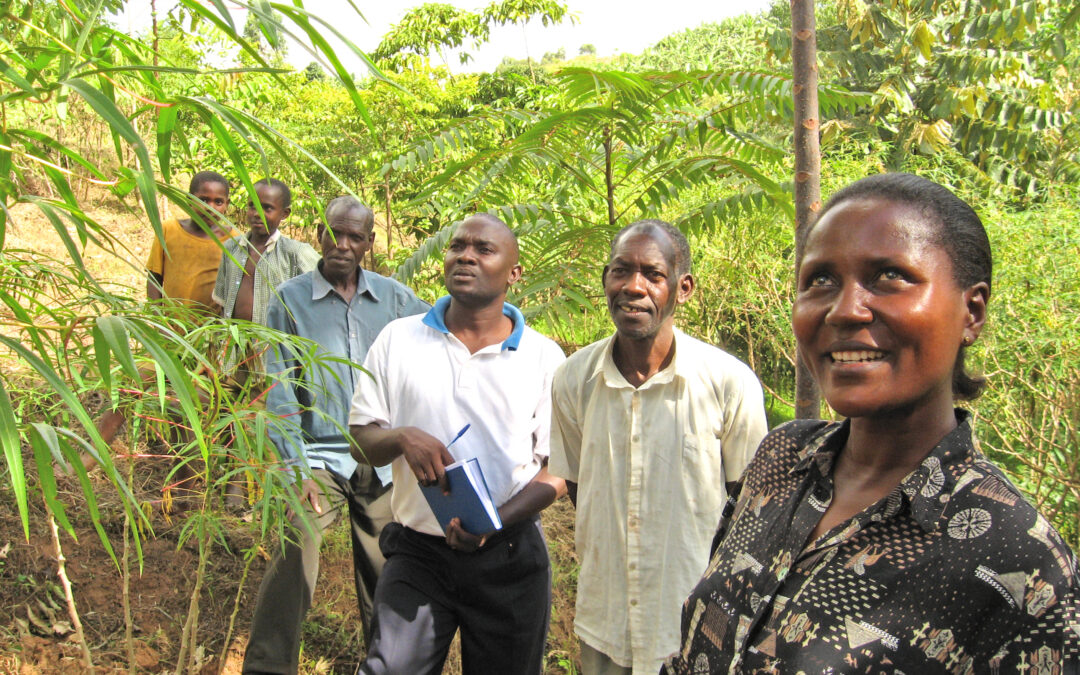
by Team LEISA India | Feb 29, 2016 | Articles
Farmers benefit by providing environmental services More and more land in Africa is being cultivated, reducing the area covered by forests, the existing biodiversity, and affecting the water supplies of nearby cities. Could farmers produce the same services as forests... 
by Team LEISA India | Feb 26, 2016 | Articles
Seabuckthorn – ideally suited for Himalayan highlands Hippophae salicifolia commonly known as Seabuckthorn is one of the few potential lesser-known multipurpose plant species, native of higher Himalaya. The people in high mountainous areas have been growing... 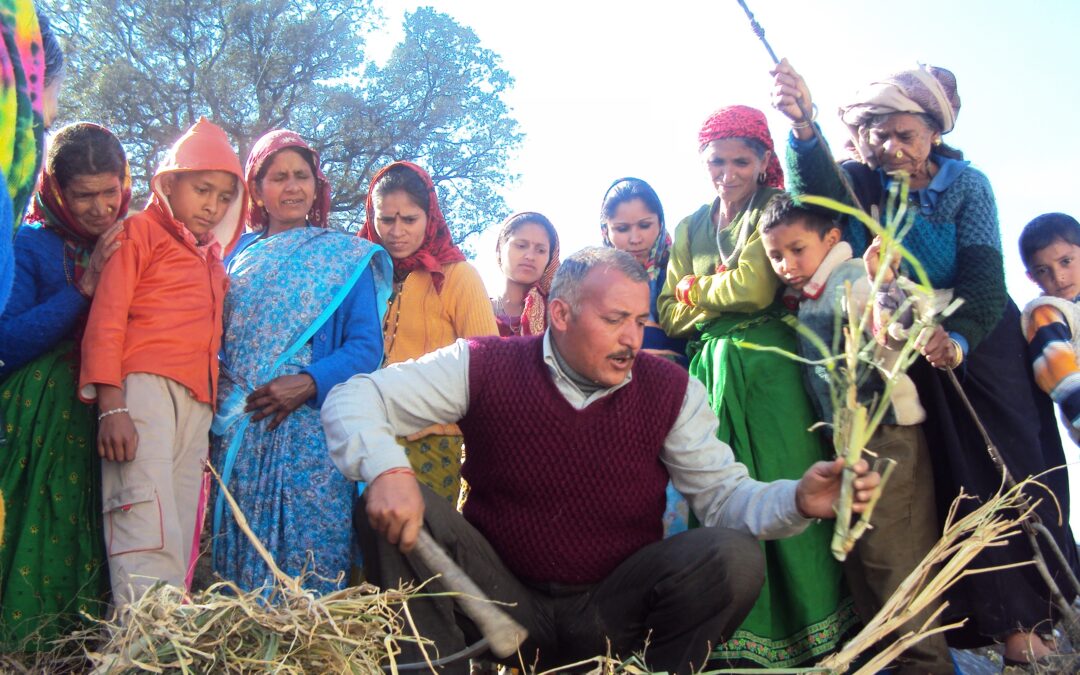
by Team LEISA India | Feb 26, 2016 | Articles, Feed Management, Women
Raising fast growing and high yielding nutritious fodder species on farm lands can reduce the drudgery of women in collecting fodder from distant forests and also protect the degrading forests. G.B.Pant Institute of Himalayan Environment and Development achieved this... 
by Team LEISA India | Feb 26, 2016 | Articles, Interviews
Interview: Mireille Vermeulen Next to his work at the Millennium Institute, Mr Herren is co-chair of the International Assessment of Agricultural Knowledge, Science and Technology for Development (IAASTD). The publication of “Agriculture at a Crossroads” in 2008... 
by Team LEISA India | Feb 26, 2016 | Agroecology, Articles, Biodiversity
Planting trees on bunds and wastelands generates additional biomass, serving as a source for enriching soil-health. Chetna brought about a positive impact on the livelihoods of tribal farmers in Utnoor by promoting small shifts in the cropping systems integrating...