Decentralized renewable energy (DRE) in India is not only moving farmers towards self-sufficiency but also providing solutions that can solve major environmental issues from the...
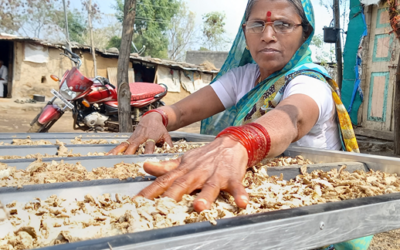


Decentralized renewable energy (DRE) in India is not only moving farmers towards self-sufficiency but also providing solutions that can solve major environmental issues from the...
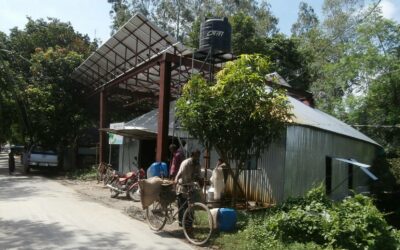
PRAN, one of Bangladesh' largest food processing companies, has in recent years set up a network of dairy hubs and village milk collection centres to help them source milk from...
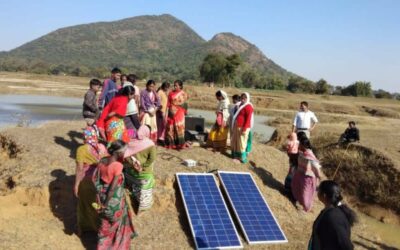
Almost two-thirds of the marginal farmers who own agricultural pumps still rely on diesel/kerosene pumps. Earlier this year, the Ministry of Power, Government of India, announced...
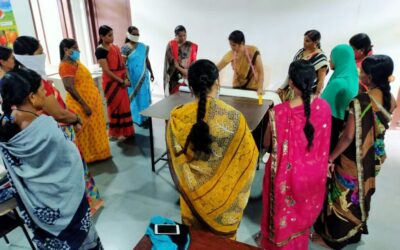
Majority of the rural women are landless. Invariably, they work as farm labourers. Sanskriti Samvardhan Mandal, an NGO has helped women of Sagroli in Maharashtra in empowering...
Dependence of mankind on the non-renewable sources of energy such as coal, oil and gases is increasing worldwide. It is time to switch over to readily available, economical, and...
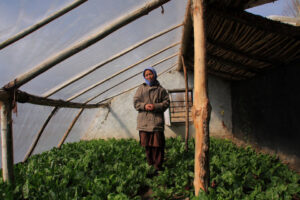
India has considerable experience and is home to several innovations and successful examples of providing energy access to the remotest areas of the country. Around 28 inspiring...
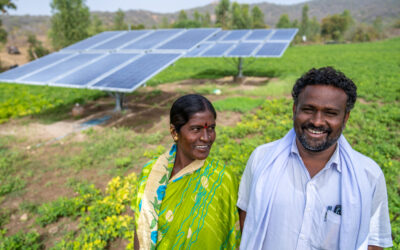
Sufficient and timely availability of water is essential to irrigate crops during critical stages of crop growth. This shall ensure improved farm productivity and incomes....
Renewable Energy in Agriculture Ecological agriculture and Renewable Energy are based on the same fundamental principles – Living in communion with Nature recognising eco...
Millets have been an integral part of Indian diets. Millet crops are climate resilient, capable of growing in dryland conditions with low water requirement. They are the source...