by Team LEISA India | Jan 8, 2016 | Agroecology, Articles, Biodiversity
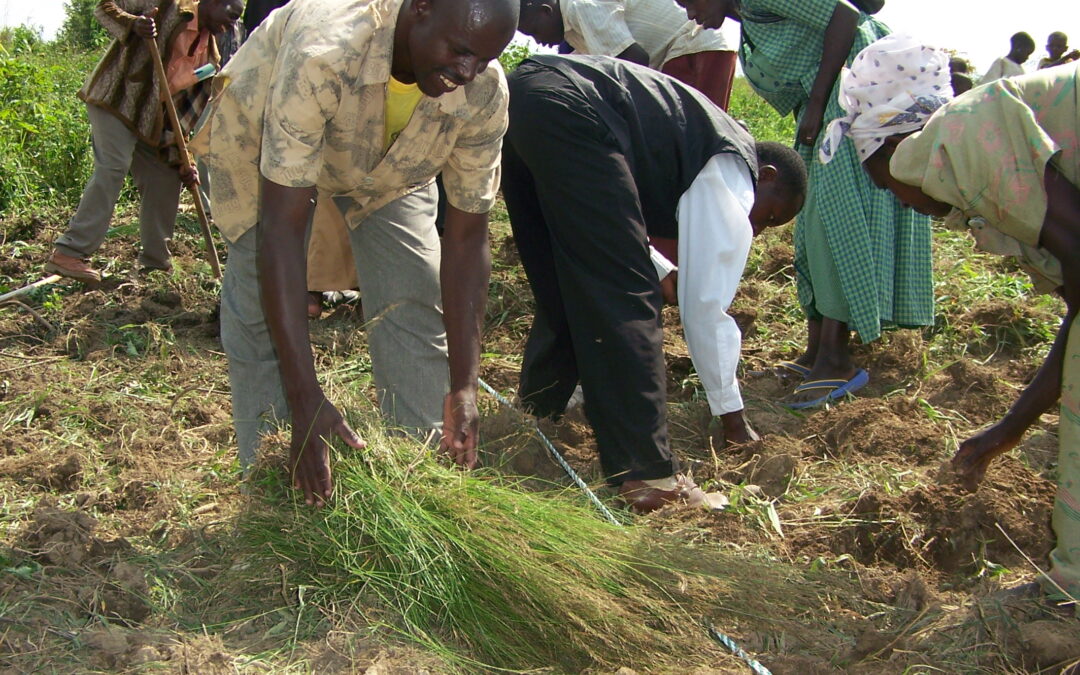
One of the ways in which farmers can protect their soils is through the use of mulch. When the soil is covered with a thick layer of organic matter, it is protected from extreme rainfall, winds or drought. Mulch also serves as a home for insects, helping attract many... 
by Team LEISA India | Jan 7, 2016 | Agroecology, AME, Articles, Biodiversity
Insect behavior is largely decided by farming practices. Both plants and insects are mutually dependent. While plants provide food to insects, insects provide the necessary ecological services to the plant. Farmers therefore need to manage cropping as a part of a... 
by Team LEISA India | Jan 7, 2016 | Agroecology, Articles, Biodiversity
Initiatives and innovations promoted by Keystone Foundation have helped promote bee keeping amongst farmers and tribal communities around the Nilgiri Biosphere Reserve. The impacts are visible in terms of better yields in coffee, mango and vegetable crops. The... by Team LEISA India | Jan 7, 2016 | Agroecology, Articles, Biodiversity
Pollination is a concern for cardamom farmers as it is difficult to maintain pollinator populations in plantations between years. The innovative solution that is gaining popularity for ensuring quality pollination services to cardamom in South West India, is the use... 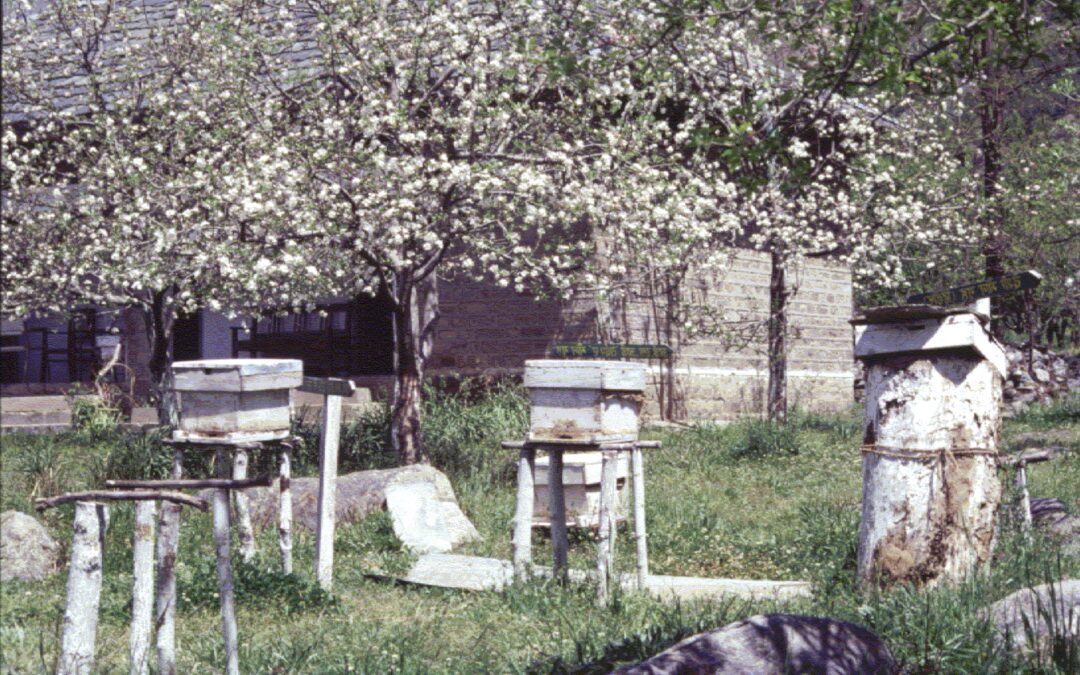
by Team LEISA India | Jan 7, 2016 | Agroecology, Articles, Biodiversity
Promotion and growth of the pollination enterprise can help improve livelihoods for several mountain farming families by generating employment and income as well as boosting the production and quality of crop. Managed pollination of apples as practiced in Himachal... 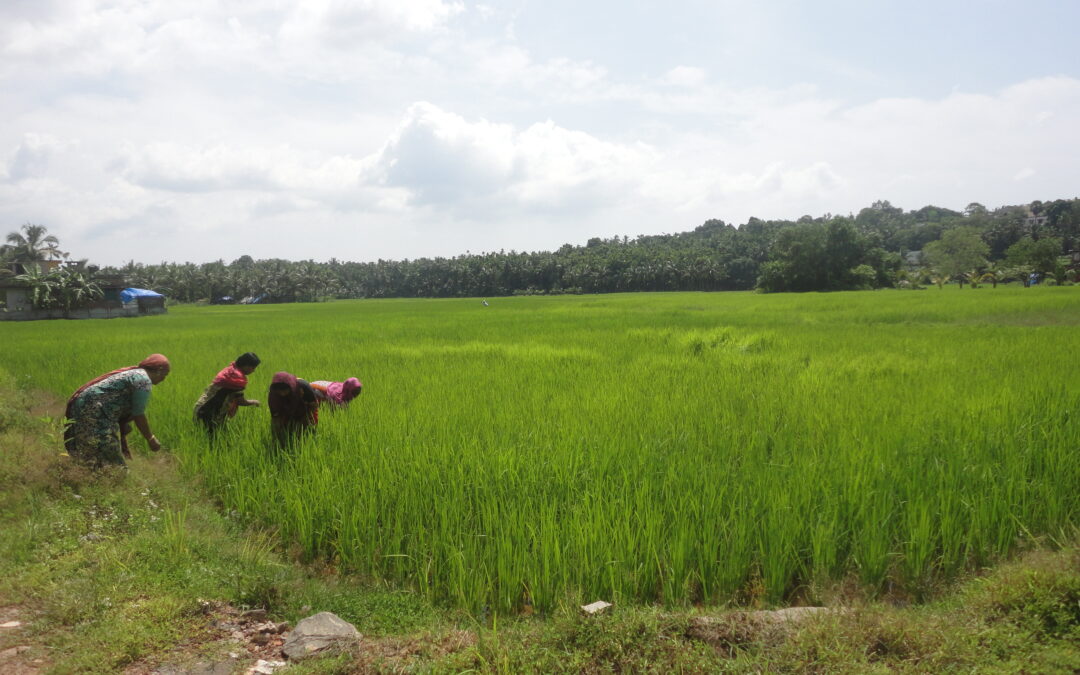
by Team LEISA India | Dec 31, 2015 | Articles, Social Organisation, Women
The Kerala State provides a different picture of the success of women in farming. Collective power of women groups, integration of local self governments and proactive credit schemes have enabled landless women to emerge as commercial organic farmers in Kerala....