by Team LEISA India | Feb 24, 2016 | Agroecology, Articles, Food safety, security and sovereignity
The role of local organizations in farming, environment and people’s access to food Localized food systems provide the foundation for people’s nutrition, incomes, economies and culture throughout the world. Locally determined approaches and organizations play critical... 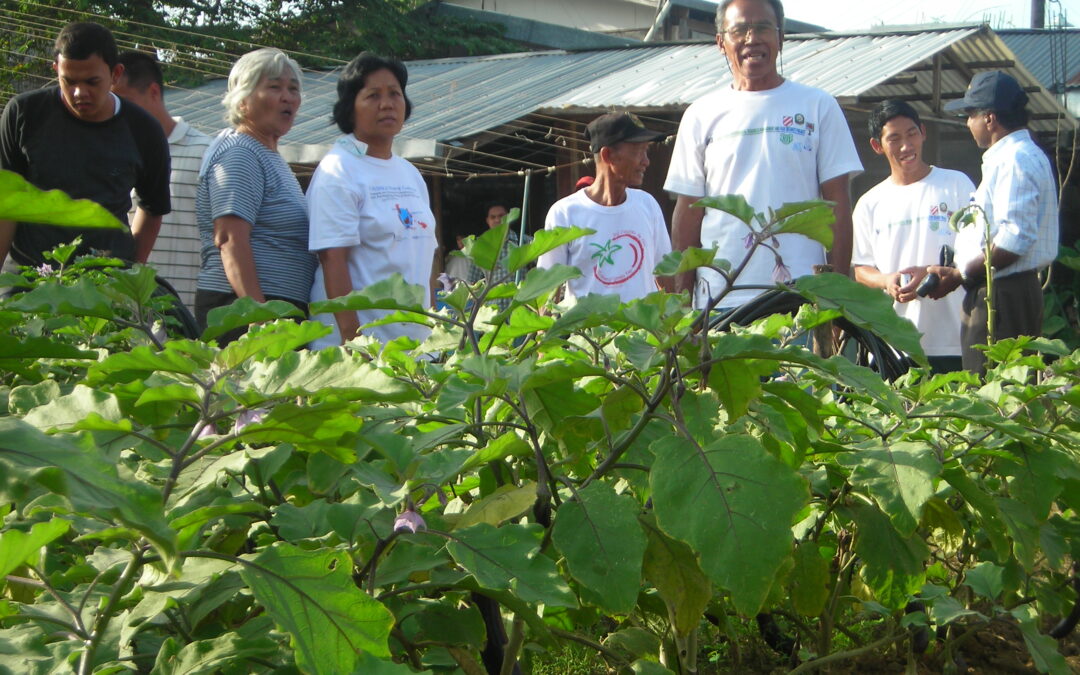
by Team LEISA India | Feb 11, 2016 | Agroecology, Agroecology and Development, Articles, Land Management
Towards food security and urban environmental management Allotment gardens established in Cagayan de Oro City, Philippines, are providing the much needed food, nutrition and income to the farmers. Among the non-monetary benefits of the allotment gardens are the... 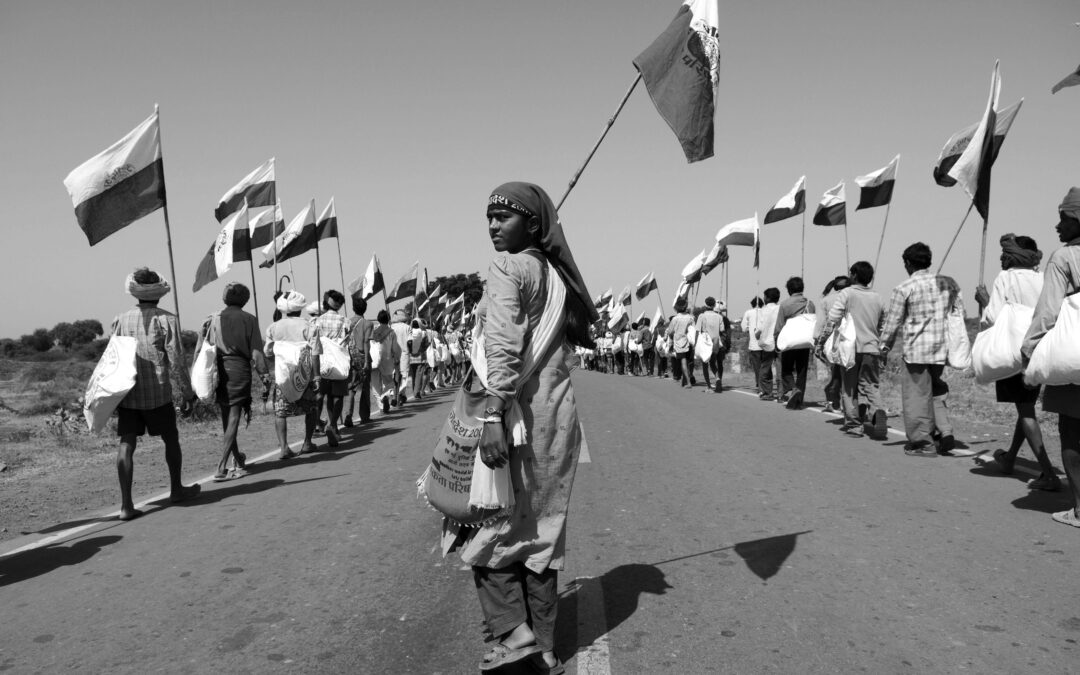
by Team LEISA India | Feb 11, 2016 | Agroecology, Agroecology and Development, Articles, Land Management
In the fight against hunger; we are together It is our struggle; it is our leadership. We are half of the world We should get half of the land (voices of poor farmers, men and women, raising against the apathy of the government in providing them secure land rights).... by Team LEISA India | Feb 11, 2016 | Agroecology, Agroecology and Development, Articles, Land Management
The global food system is broken, according to Oxfam’s GROW campaign. Land grabs are a horrific symptom of this broken system. This is clearly presented in “Land and power: The growing scandal surrounding the new wave of investments inland”, the recently released... by Team LEISA India | Feb 11, 2016 | Articles
Land is more than an asset Lands are those assets, not inherited by our ancestors, but borrowed from our children. This is the basis on which Indian farmers serve as custodians to lands striving to nurture them to be handed over to their children in good condition.... by Team LEISA India | Feb 11, 2016 | Agroecology, Agroecology and Development, Articles, Land Management
The development of cities has a serious impact on farming, livestock and livelihoods of communities living in the peri-urban areas surrounding the city. To lessen the negative impact on the livelihoods of the poor living in the peri-urban areas, it is necessary that...