by Team LEISA India | Mar 24, 2016 | Animal Husbandry, Articles, Livestock Management
Strengthening institutional and physical spaces for poor livestock keepers The communities are mainly agro-pastoralists who belong to tribal and non-tribal groups. Tribal communities are mainly located in the southern district of Udaipur with a more heterogeneous... by Team LEISA India | Mar 24, 2016 | Animal Husbandry, Articles
Farmers are trying out different options to improve the feed management in dairy animals. They are looking at options which reduce costs and at the same time do not affect the milk yields. The participatory technology development process provided a farmer centered... 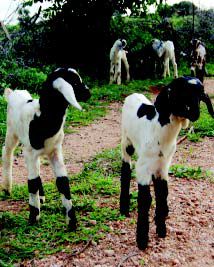
by Team LEISA India | Mar 24, 2016 | Animal Husbandry, Articles, Livestock Management
The development of Livestock Keepers Rights and the Biocultural Protocols will be important tools in supporting the livelihoods of livestock keeping communities and the survival of the biodiversity they have managed over centuries. Traditional livestock keeping in... by Team LEISA India | Mar 24, 2016 | Articles
Indigenous breeds are always profitable than cross breeds Livestock is a very important component for profitable farming as most of the agricultural by-products can be used to feed them converting them into manure immediately. Other economical gains are in the form of... 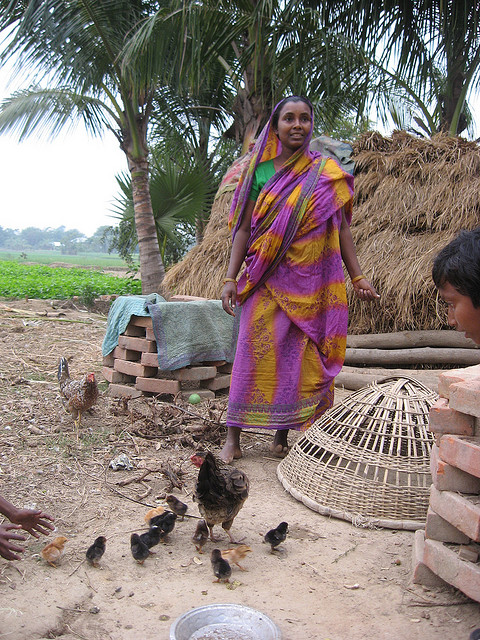
by Team LEISA India | Mar 24, 2016 | Animal Husbandry, Articles, Poultry
Recent evidence from India suggests that rearing indigenous poultry rather than focusing on commercial breeds that give a higher yield can significantly contribute to the selfsufficiency and cultural wealth of rural communities – as well as boosting their income.... by Team LEISA India | Mar 24, 2016 | Animal Husbandry, Articles, Farmer's Diary
Sheep are the gift to dryland farmers by nature which can yield returns within 1.5 years of investment, says Veerakempanna. Veerakempanna of Anoor village in Chikkabalapur district, like any other dryland farmer in Karnataka, unable to meet the ends with dryland...